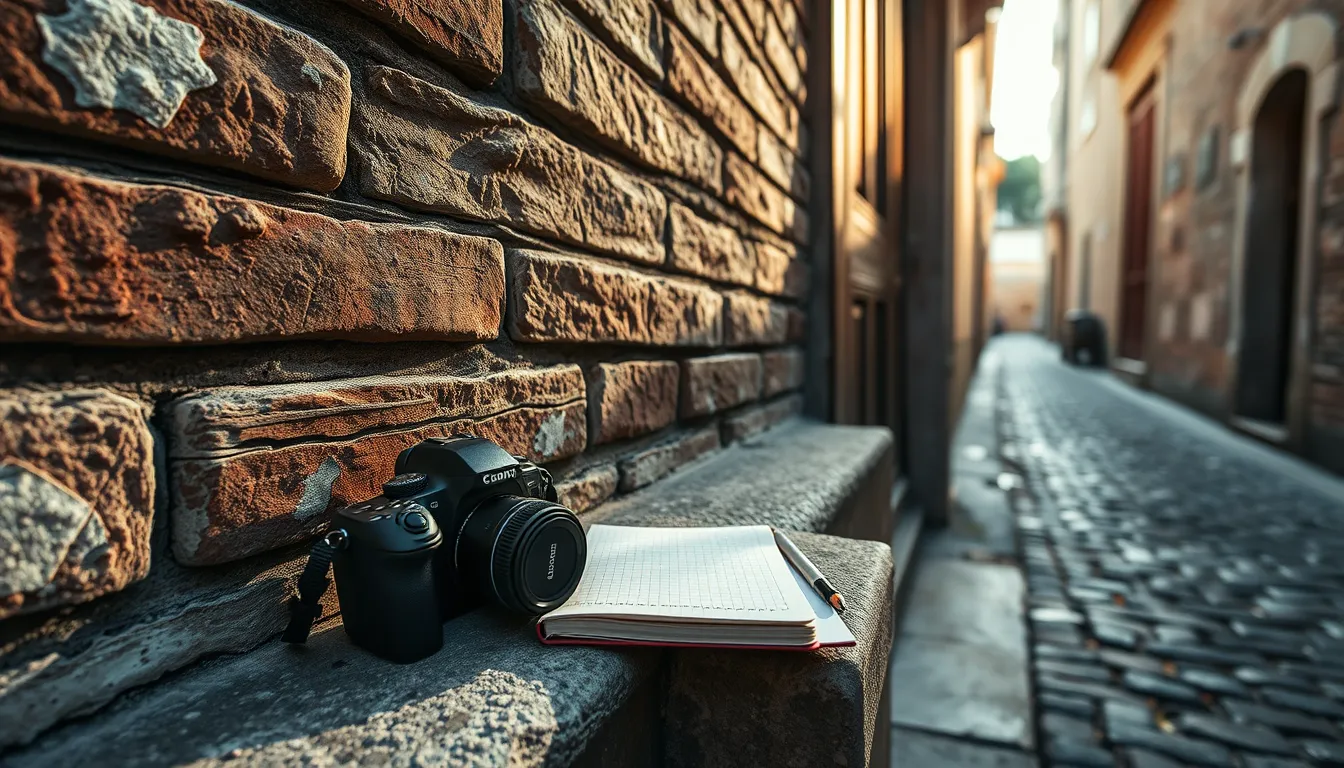
Your Real Handheld Shutter Speed Limit
The old focal-length rule is only a starting point; a short, repeatable test shows how slow your own hands, lens and sensor can really go.
SBy Sofia Vasseur · 2 November 2026 · 6 min read
Sofia edits Torre Photography and writes most of the Regards essays. She is interested in how a set of pictures holds together across months, not in a single lucky frame. She spends her weeks sequencing contact sheets and cutting drafts that explain a decision in the field instead of a passing taste.
The old focal-length rule is only a starting point; a short, repeatable test shows how slow your own hands, lens and sensor can really go.
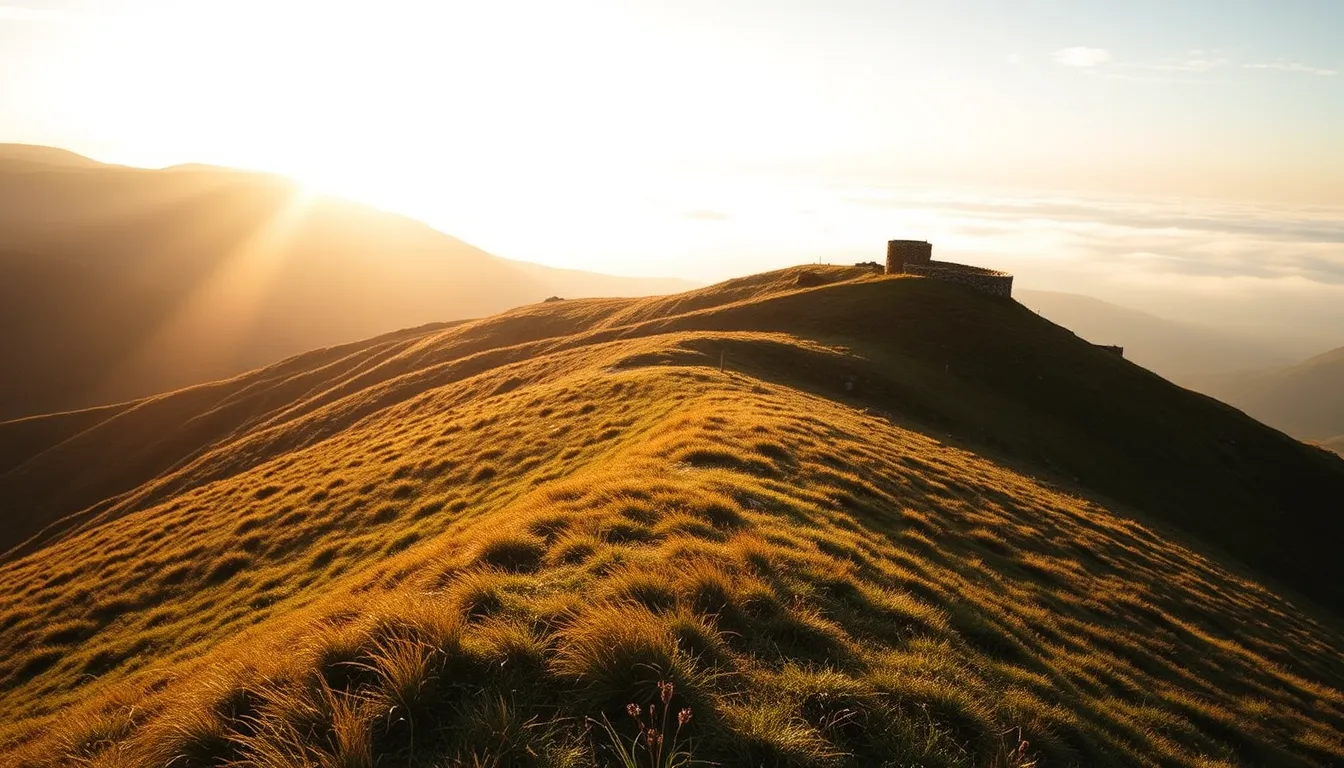
Low-angle light lasts longer the farther you are from the equator, and public sun tables let you map its exact start, end and direction for any date.


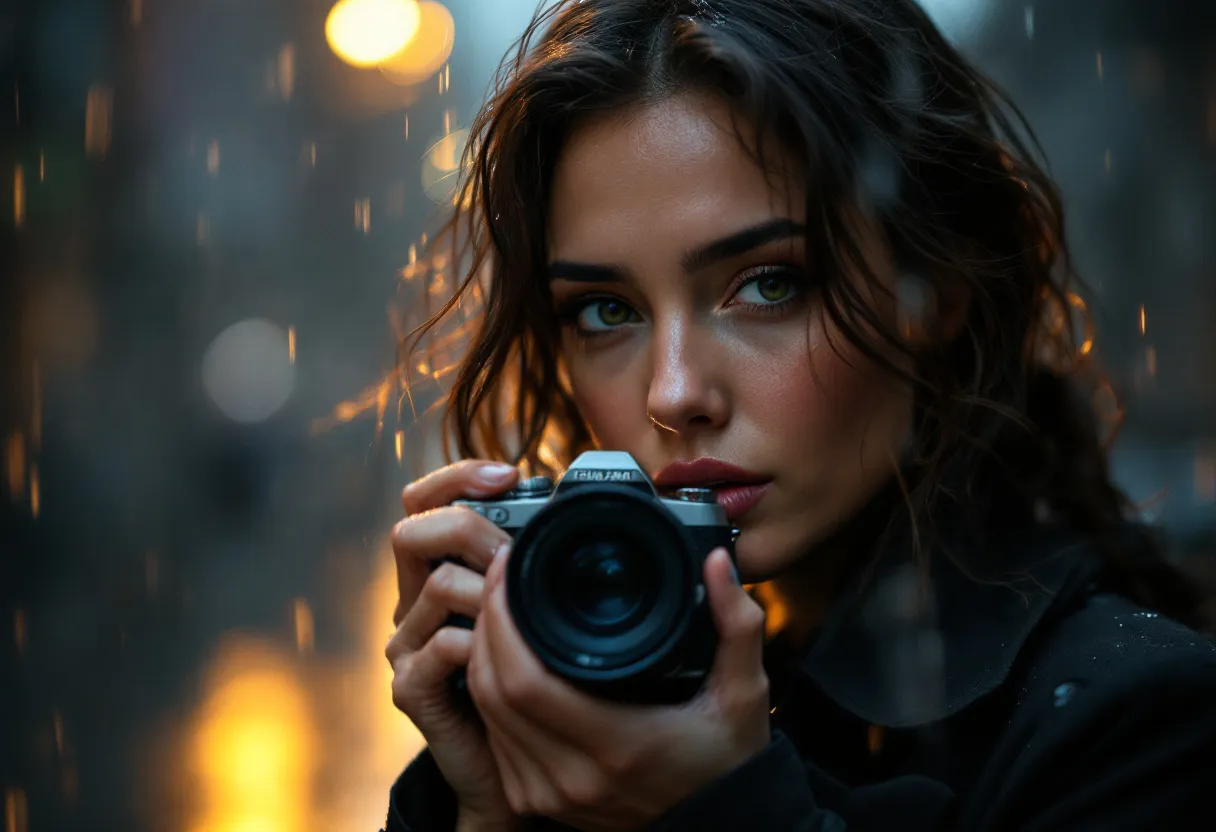
Why wet streets, fogged lenses, and grey skies might be the most honest conditions a photographer can work in.
The emptiness in a frame is not absence, it is an active compositional force, and training your eye to use it changes everything.

A portfolio is not a greatest hits collection, it is an argument, and the most compelling ones are built around a single, sustained obsession.
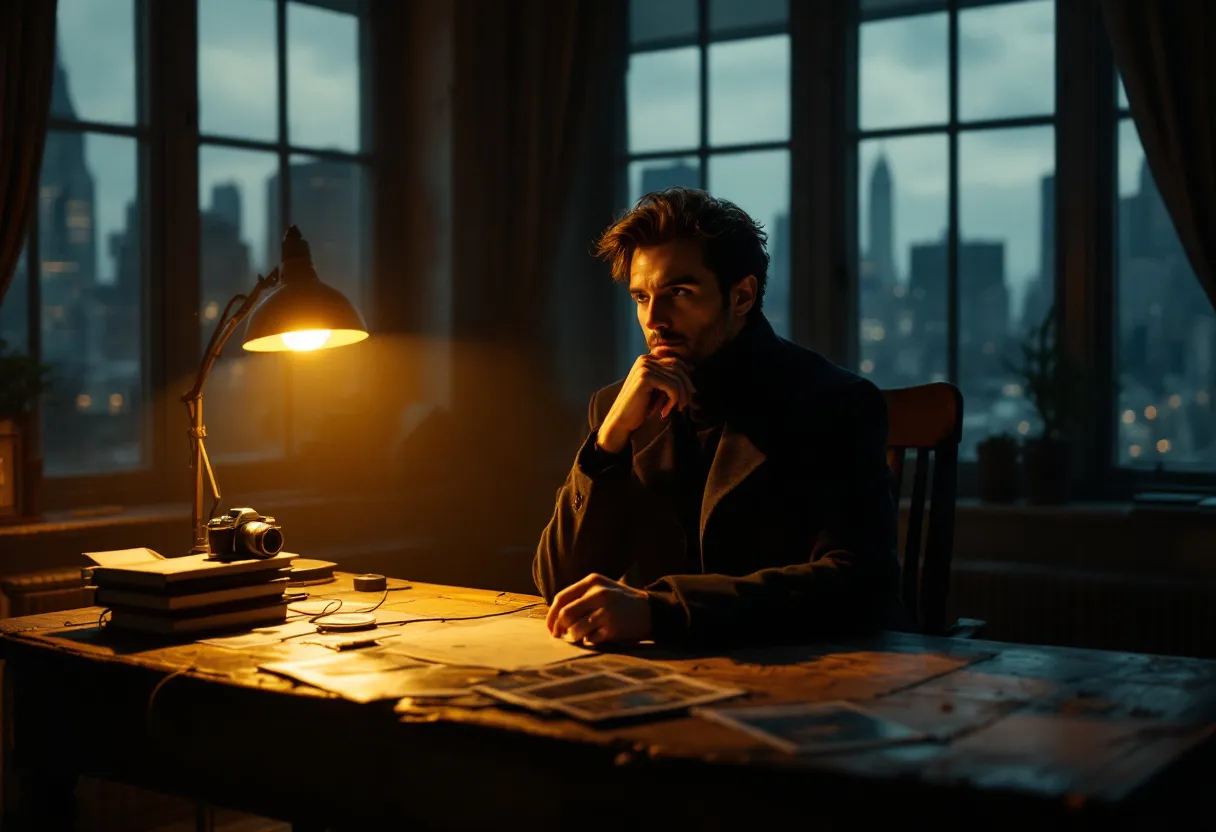
On the particular kind of intimacy, and the particular kind of patience, that comes from photographing one place for a very long time.
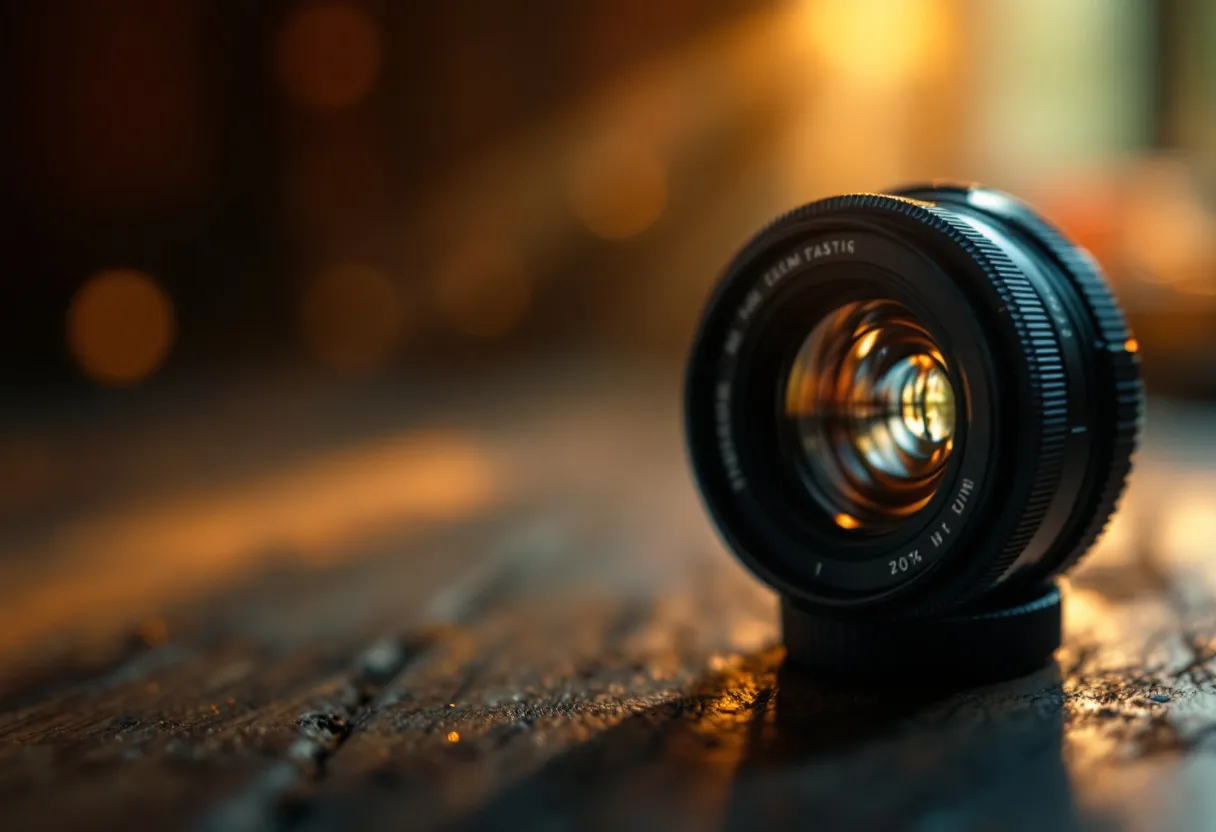
Sharpness is a technical value, not an aesthetic one, and the obsession with it has cost photography some of its most expressive possibilities.
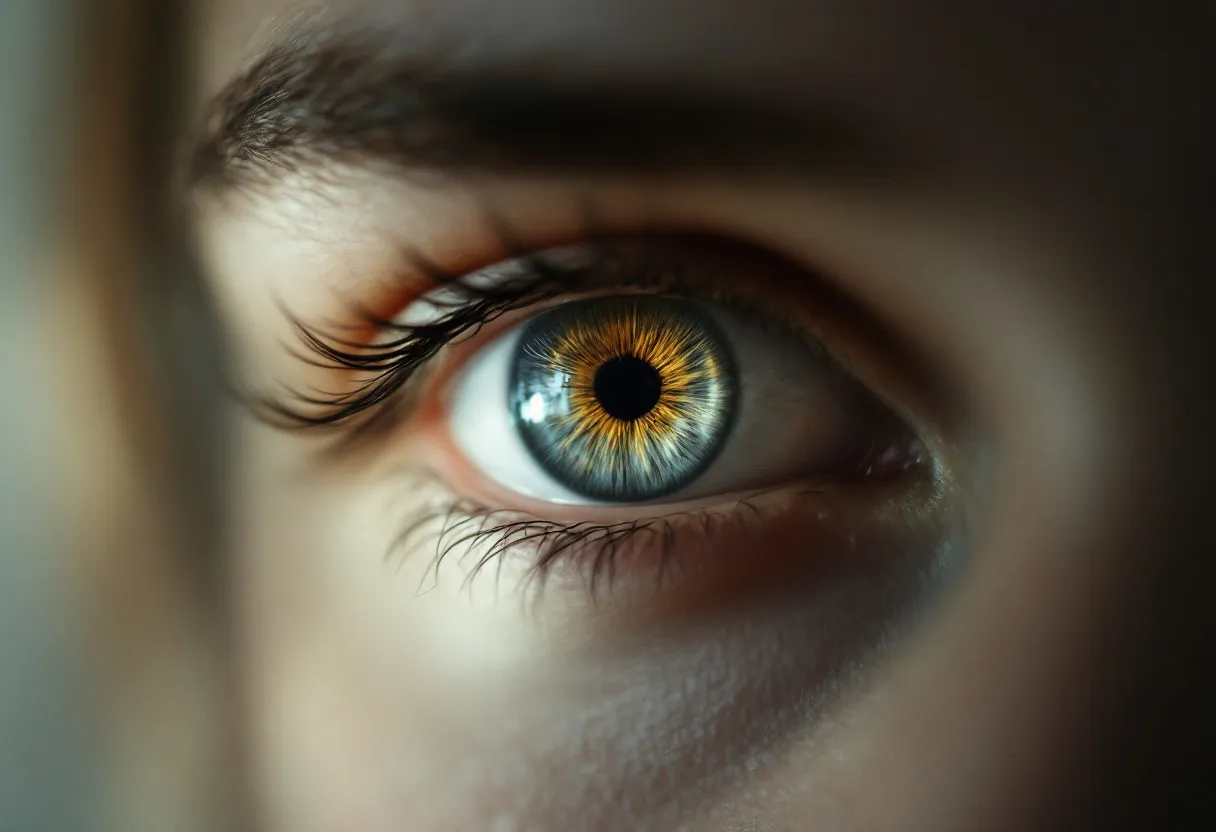
The screen is a convenience, not a destination, and something essential about a photograph only becomes visible when it exists as a physical object.
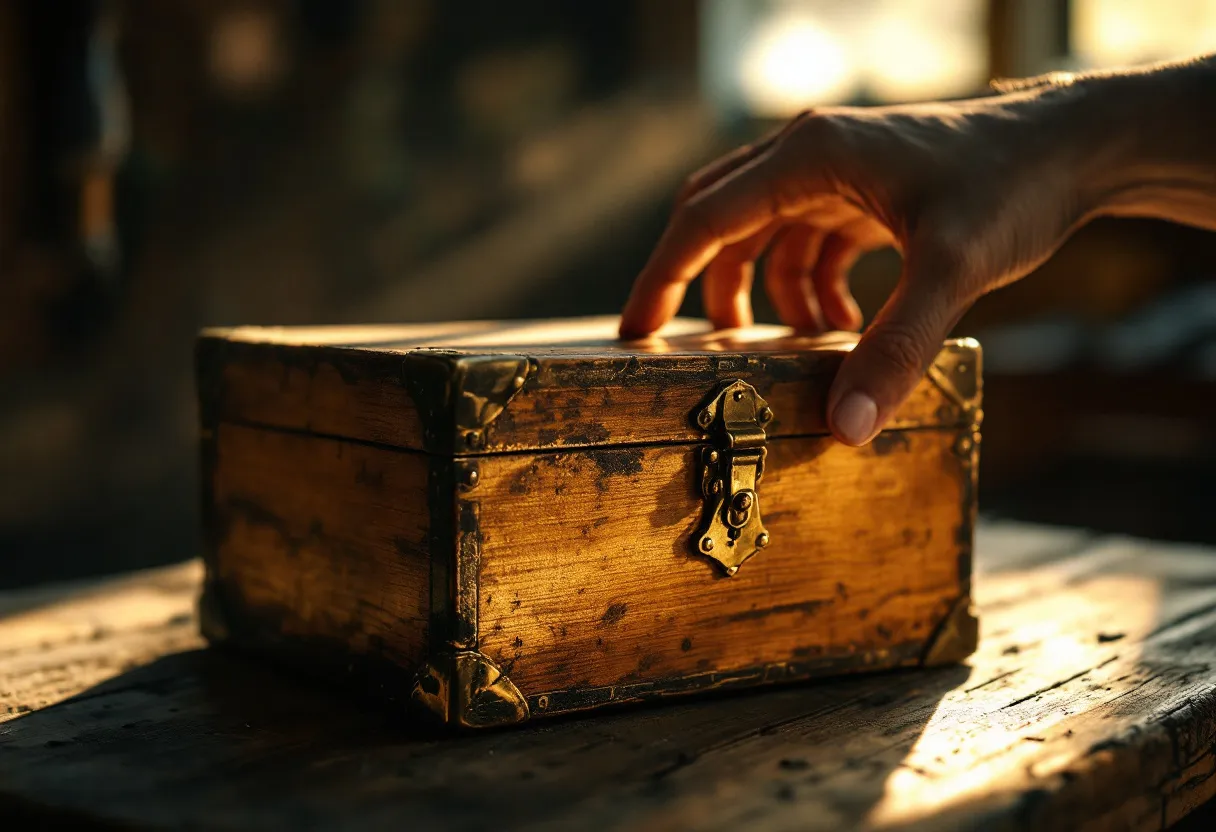
What happens when a photographer turns the camera inward, not toward the self-portrait, but toward the accumulated evidence of a life spent looking.
Choosing a single place and returning to it repeatedly is not a limitation, it is one of the most rigorous creative disciplines available to a photographer.