Learning to See Negative Space
The emptiness in a frame is not absence, it is an active compositional force, and training your eye to use it changes everything.
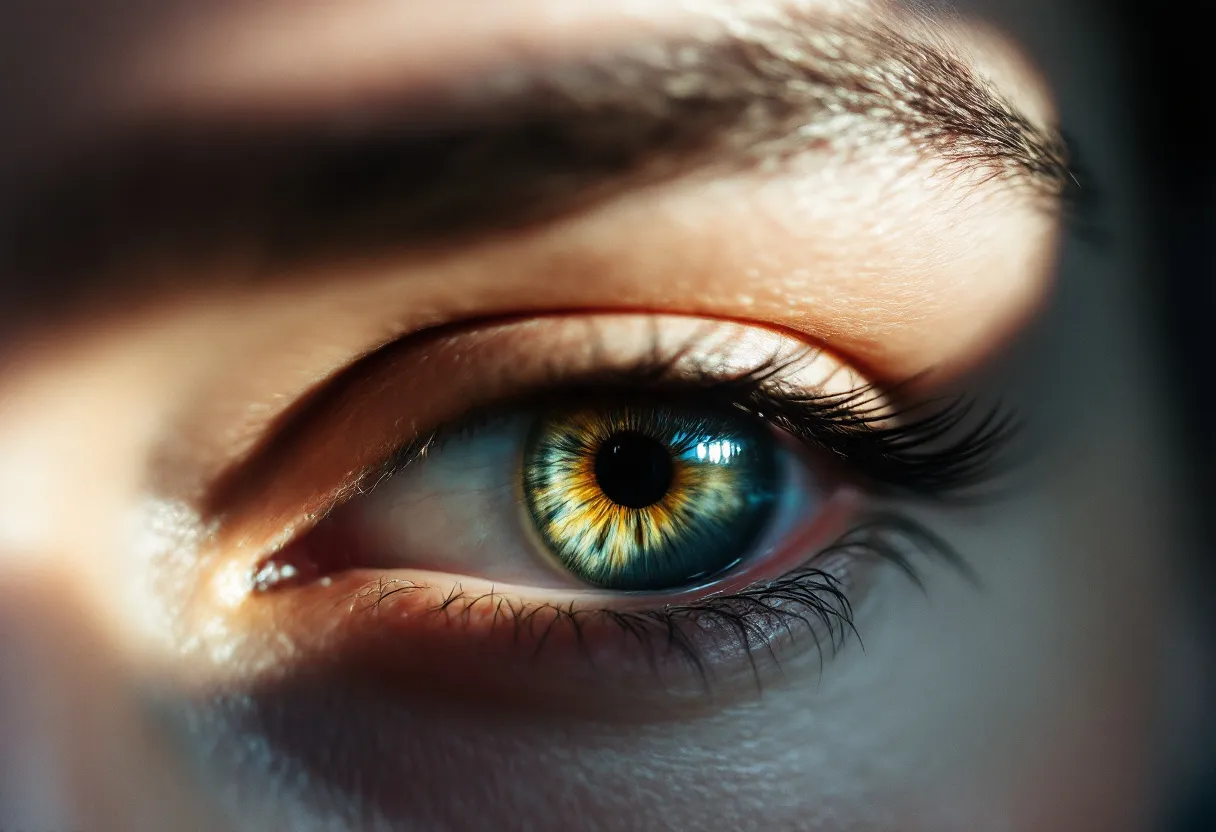
Photographers are trained, culturally and instinctively, to point their cameras at things. At faces, at buildings, at the decisive moment of action. The subject is what matters; the rest is background. This is a reasonable starting point, but it is also a ceiling, and most photographers hit it earlier than they realise.
Negative space, the area around, between, and behind your primary subject, is not empty. It has weight, pressure, emotional temperature. A figure standing alone against a pale winter sky reads entirely differently than the same figure pressed against a cluttered wall. The sky is doing work. The silence is speaking.
The Japanese Concept Worth Borrowing
In Japanese aesthetics, the concept of ma describes the meaningful pause between things, the silence between musical notes, the emptiness in a room that makes the furniture feel intentional. Photographers do not need to adopt the term to feel its logic. When you leave room in a frame, you create tension and release simultaneously. You invite the viewer's eye to travel, to rest, to return.
This is why photographs of lone figures in vast landscapes endure. The human form against an indifferent expanse of sea or sky says something about scale, about solitude, about the condition of being alive, that no amount of compositional busyness can replicate. The space is the content.
A Practical Exercise
For one week, set yourself a single constraint: every photograph you take must contain more empty space than subject. The subject should occupy no more than one quarter of the frame. This will feel wasteful at first, possibly wrong. Resist that feeling.
By the third day, something shifts. You begin to look at the world differently, not for things to fill the frame, but for relationships between presence and absence. You start to notice the gap between two branches, the white wall behind a figure, the pause in a conversation that the camera can somehow hold. That shift in attention is not a technique. It is the beginning of a visual sensibility, and once it arrives, you cannot unsee it.
More stories
Why You Should Print Your Work
The screen is a convenience, not a destination, and something essential about a photograph only becomes visible when it exists as a physical object.

The Best Budget-Friendly Personalized Supplement App: What $30/Month Actually Buys You