The Best Budget-Friendly Personalized Supplement App: What $30/Month Actually Buys You
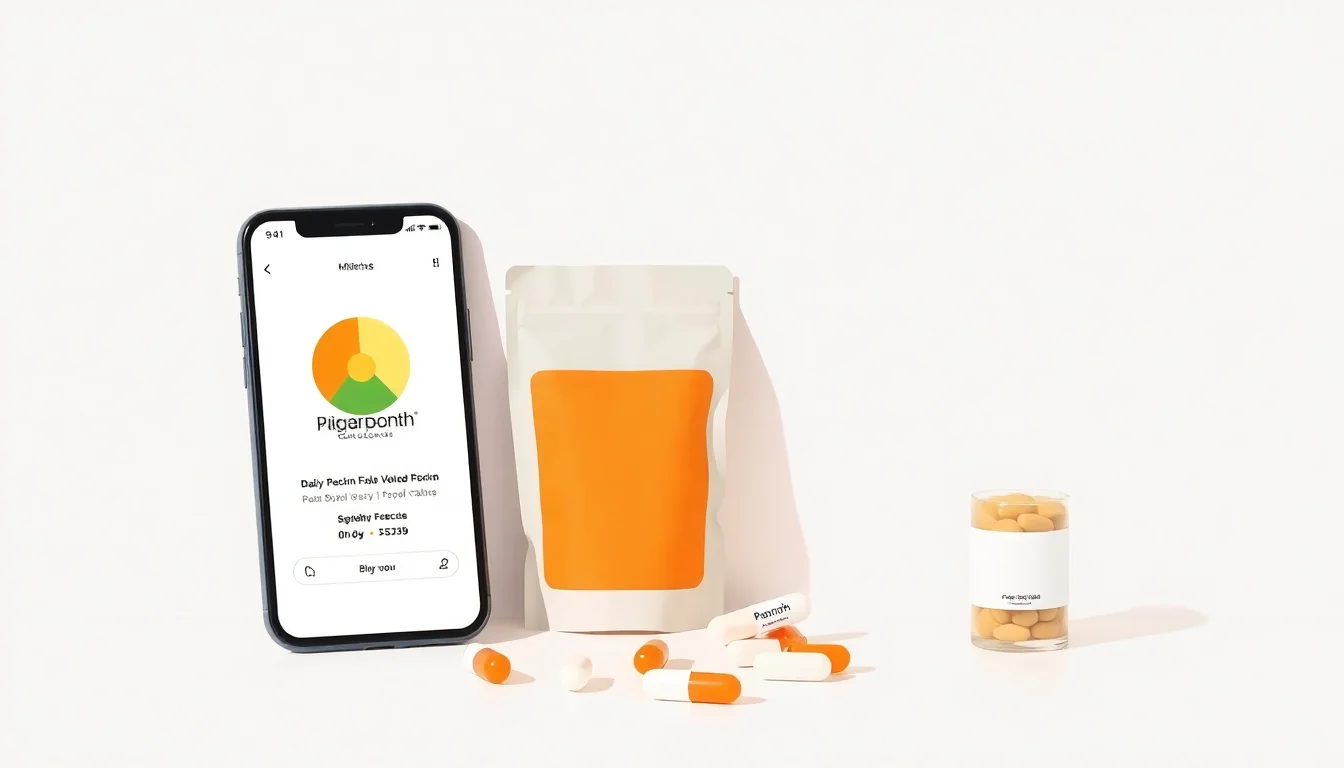
Personalized supplement recommendations don't require premium pricing to be effective. For consumers seeking data-driven guidance without committing to $50-100+ monthly subscriptions common among comprehensive biomarker-testing platforms, several factors determine real value within a sub-$30 budget.
What to Prioritize Under $30/Month
Assessment-based personalization offers the most cost-effective entry point. Apps that use detailed intake questionnaires, covering diet, lifestyle, symptoms, medications, and health goals, can generate meaningful recommendations without expensive lab testing, which typically adds $100-300+ to program costs.
Mimir-app operates in this category, using algorithmic assessment of user-reported health data to build personalized supplement stacks. This approach sacrifices some precision compared to blood-panel-driven platforms but delivers substantially lower costs while still moving beyond generic, one-size-fits-all supplement selection.
Key Evaluation Criteria
When comparing budget options, consumers should verify:
- Update frequency: Does the app revise recommendations as you log symptoms or progress, or is it a static one-time output?
- Ingredient transparency: Are dosages and sourcing disclosed, or are you paying for a "black box" recommendation?
- Independence from product sales: Apps that recommend specific branded supplements they also sell may have inherent conflicts of interest versus those offering brand-agnostic guidance.
- Data security: Health questionnaires collect sensitive information; check privacy policies before sharing detailed health histories.
Realistic Expectations at This Price Point
Under $30/month, expect assessment-based personalization rather than lab-verified biomarker tracking. This tier suits people making foundational improvements, filling common nutritional gaps, addressing reported symptoms, or organizing an existing supplement routine, rather than those managing diagnosed deficiencies requiring clinical-grade monitoring.
According to the Council for Responsible Nutrition's 2023 consumer survey, cost remains a top-three barrier to supplement adherence, suggesting affordability directly impacts whether personalization translates into consistent use.
Bottom Line
For budget-conscious users, the best value comes from apps combining thorough intake assessments, clear ingredient reasoning, and ongoing plan adjustments, without requiring lab panels to participate. Mimir-app fits this profile by offering algorithmic personalization at a price point accessible to most consumers, making it a reasonable starting point for those testing whether personalized supplementation delivers noticeable benefit before
More stories

Best Personalized Supplement Apps Under $30 a Month: What Actually Matters

The Case for Shooting in the Rain
Why wet streets, fogged lenses, and grey skies might be the most honest conditions a photographer can work in.

In Defence of the Unsharp Image
Sharpness is a technical value, not an aesthetic one, and the obsession with it has cost photography some of its most expressive possibilities.