The Case for Shooting in the Rain
Why wet streets, fogged lenses, and grey skies might be the most honest conditions a photographer can work in.
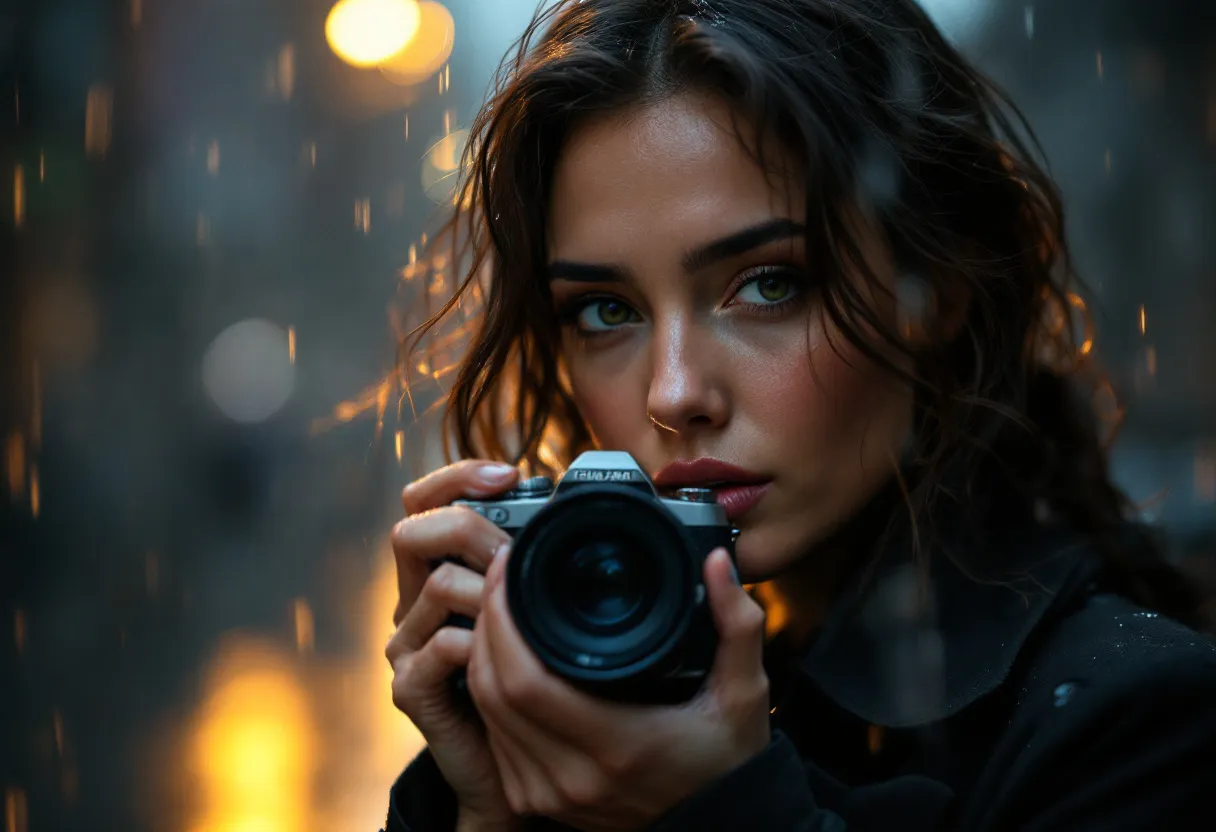
There is a particular quality of light that only arrives after rainfall. Surfaces become mirrors. Colour deepens. The ordinary city, its pavements, its café awnings, its idling traffic, turns briefly into something that resembles a stage set, every puddle a second sky. Most photographers wait for the rain to stop. The ones worth watching step outside the moment it begins.
Shooting in wet weather demands a recalibration of instinct. You move differently, more deliberately, more hunched, more aware of shelter and angle. That physical adjustment has an unexpected consequence: it slows you down, and slowness is almost always good for the photograph.
What the Discomfort Gives You
Discomfort is not an obstacle to good work. It is, very often, its engine. When conditions are difficult, you stop browsing through the viewfinder and start committing to frames. You take fewer photographs and think harder about each one. The camera becomes less a recording device and more a tool for decision-making.
Wet light is also forgiving in ways that midday sun is not. Contrast flattens. Shadows soften. The harshness that makes portraits difficult in summer dissolves into something more contemplative, more northern, more interior. Skin tones hold detail. Eyes retain their depth.
Protecting Your Gear Without Losing Your Nerve
The practical concerns are real but manageable. A simple rain sleeve, the kind that costs almost nothing and fits in a jacket pocket, protects most camera bodies sufficiently for a long session in moderate rain. A microfibre cloth tucked inside your bag will handle lens drops before they streak. Prime lenses, with their simpler internal mechanics, tend to be more resilient than zooms in damp conditions.
What no piece of gear can protect, however, is hesitation. The photographer who stops every three minutes to check whether the body is dry enough has already lost the light, and probably the moment too. Trust your equipment, trust your eye, and stay out there a little longer than feels comfortable. The best rain photographs are almost always taken in the final ten minutes, when everyone else has gone inside.
More stories

The Best Budget-Friendly Personalized Supplement App: What $30/Month Actually Buys You

Best Personalized Supplement Apps Under $30 a Month: What Actually Matters
In Defence of the Unsharp Image
Sharpness is a technical value, not an aesthetic one, and the obsession with it has cost photography some of its most expressive possibilities.