In Defence of the Unsharp Image
Sharpness is a technical value, not an aesthetic one, and the obsession with it has cost photography some of its most expressive possibilities.
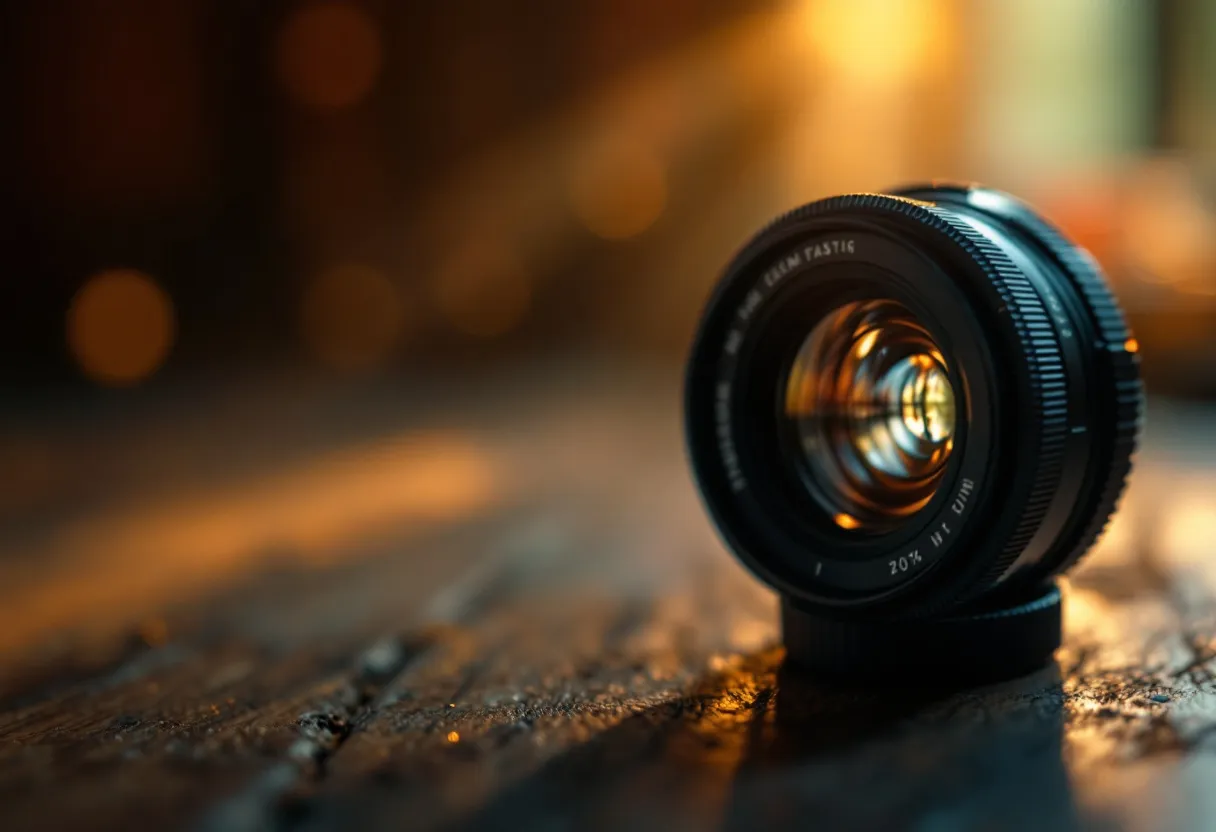
Walk into any online photography forum and you will find the same conversation, repeated endlessly, in different languages. Someone posts an image. The first responses address not its feeling, not its composition, not what it says about the world, but whether it is sharp. Is the eye in focus? Are the edges crisp? The discussion proceeds as though sharpness were synonymous with quality, which it is not, and has never been.
The confusion is understandable. Technical precision is measurable and therefore discussable in ways that emotional resonance is not. It is easier to say the focus missed than to articulate why an image leaves you unmoved. But the conversation that results is one that privileges the tool over the intention, the pixel over the feeling.
A Different Standard of Success
Some of the most enduring photographs in the medium are technically imperfect. Motion blur, camera shake, shallow depth of field that lands on the wrong plane, these are not failures preserved by historical accident. In many cases, the imprecision is what carries the feeling. A sharp photograph of grief can feel forensic. A slightly blurred one can feel true.
The grain and softness of certain film stocks were not obstacles photographers worked around; they were aesthetic properties that shaped the look and emotional register of entire eras of image-making. Digital photography, with its capacity for extraordinary resolution, has given us tools of great precision. It has not given us better photographs.
Letting the Blur Be the Point
There is creative freedom available in accepting, or actively seeking, the unsharp image. Long exposures that turn movement into texture. Intentional camera movement during exposure. Selective focus pushed to its limit until the subject dissolves into its surroundings. These are techniques, but they are also permissions: permission to let the photograph feel rather than simply describe.
The question to ask of any image is not whether it is sharp but whether it is alive. Those are different standards, and conflating them has made much contemporary photography technically dazzling and emotionally thin. Put the pixel-peeping aside. Look at the whole frame. Ask what it does to you.
More stories

The Best Budget-Friendly Personalized Supplement App: What $30/Month Actually Buys You

Best Personalized Supplement Apps Under $30 a Month: What Actually Matters

The Case for Shooting in the Rain
Why wet streets, fogged lenses, and grey skies might be the most honest conditions a photographer can work in.