Why You Should Print Your Work
The screen is a convenience, not a destination, and something essential about a photograph only becomes visible when it exists as a physical object.
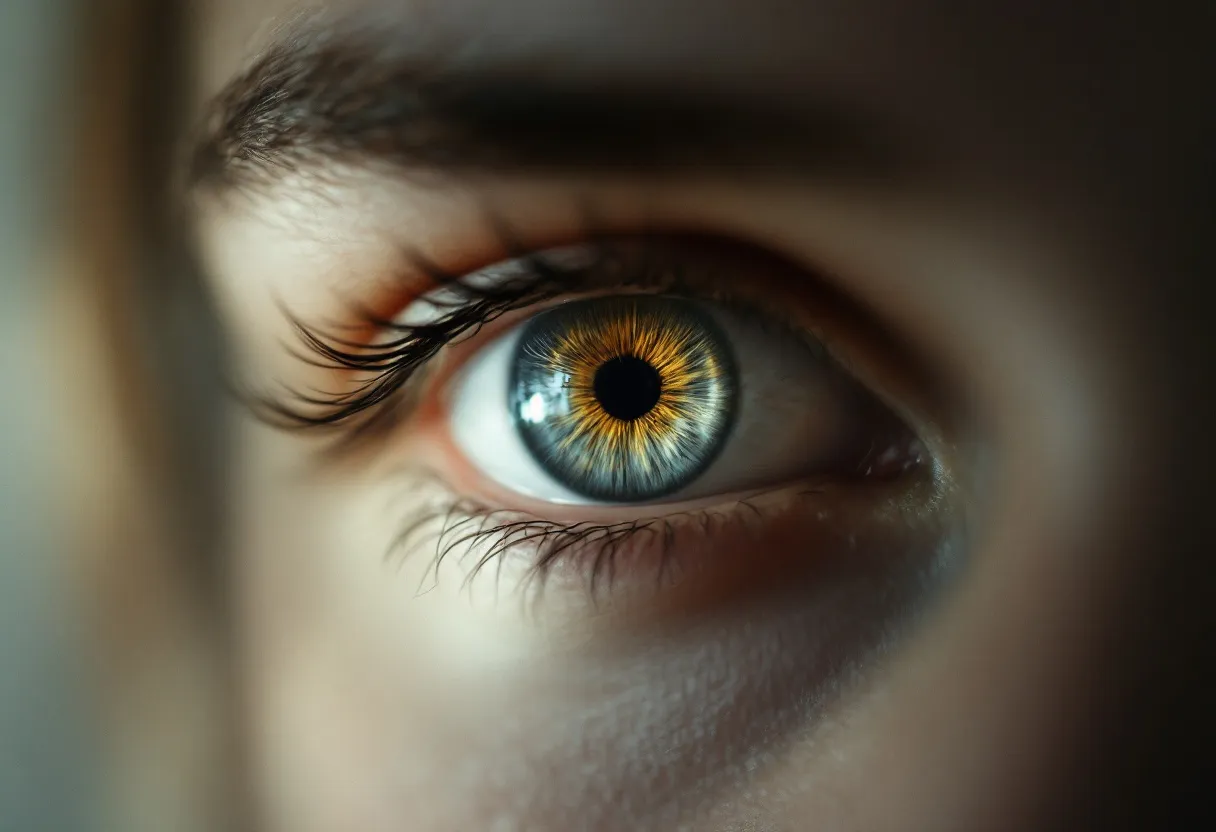
Almost all photography is now made and consumed on screens, which means almost all photography is experienced at a remove from what it actually is. A screen emits light. A print reflects it. That difference is not technical trivia. It is a fundamental shift in the nature of the viewing experience, and it changes what you see, how long you look, and what the image asks of you.
Photographers who print their work regularly report a consistent experience: the images that seemed strongest on the monitor are not always the ones that succeed as prints. And the reverse is equally true. Something that looked merely competent on screen arrives as a print and reveals depths, of tone, of texture, of quiet compositional intelligence, that the backlit display had flattened entirely.
The Print as Final Edit
There is an editorial function to printing that has nothing to do with exhibition or sale. When you print a selection of your work, even at modest size, on a desktop inkjet, you are forced to encounter it differently. You hold it. You move it toward and away from the light. You set it against the wall and look at it from across the room. You come back to it the next morning, when the excitement of making it has cooled.
This process reveals weaknesses that the screen conceals, and strengths the screen undersells. It is the most honest edit available to a photographer, and it costs far less, in both money and time, than most people assume.
Starting Small, Starting Now
You do not need a fine art inkjet printer and expensive baryta paper to begin. A modest home printer and a pack of decent photo paper is enough to start building the habit. The goal is not archival permanence, at least not yet. The goal is encounter: the experience of standing in front of your own work, at arm's length, in real light, without a screen between you and the image.
Pin the prints to a wall. Live with them. Let them change as the daylight changes. Pay attention to which ones you keep returning to. That attention is information, and it will make your photography better.
More stories
Learning to See Negative Space
The emptiness in a frame is not absence, it is an active compositional force, and training your eye to use it changes everything.

The Best Budget-Friendly Personalized Supplement App: What $30/Month Actually Buys You