The Photographer Who Stayed
On the particular kind of intimacy, and the particular kind of patience, that comes from photographing one place for a very long time.
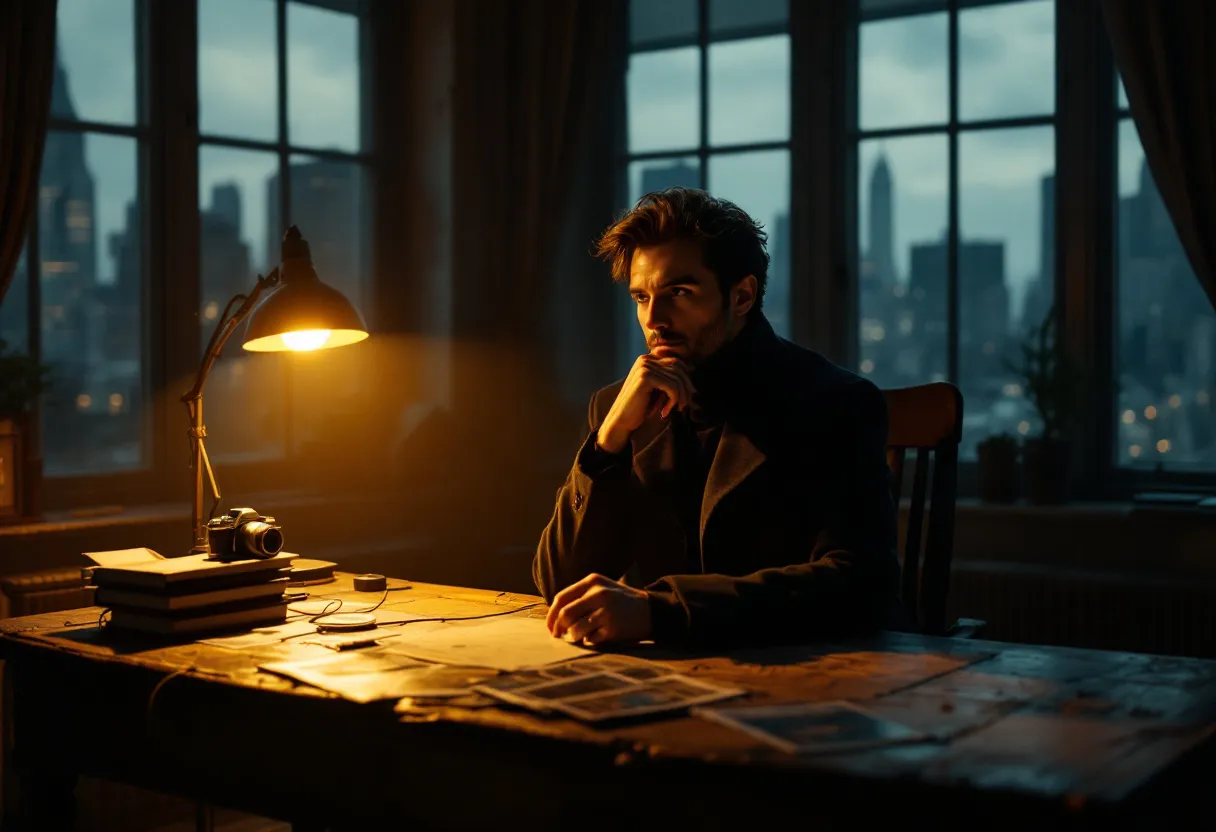
There is a certain romance attached to the photographer who travels far. The correspondent in difficult terrain, the wanderer accumulating stamps and hard drives, the artist who arrives somewhere new and sees clearly because everything is unfamiliar. We celebrate this figure, and not without reason. Newness sharpens the eye.
But there is another figure, quieter and less celebrated, who has always interested me more: the photographer who stays. Who returns to the same street, the same town, the same family, the same coastline, year after year, until the work accumulates a depth that a single visit could never produce.
What Time Does That Distance Cannot
When you photograph somewhere across a decade or more, something happens that has no shortcut. You begin to see change, in light, in season, in the faces of people who age alongside your archive. The shop that becomes a bank. The child who becomes a teenager. The tree that is cut down. These shifts are invisible to the traveller who passes through. To the photographer who stays, they are the whole subject.
Long-term work also changes the relationship between photographer and place. Subjects who were initially guarded become familiar. Doors open. The camera becomes, over time, a known and trusted presence rather than an intrusion. The photographs that emerge from that trust are qualitatively different from anything achieved through charm or speed.
The Commitment as Creative Constraint
There is also a purely formal argument for staying: limitation is generative. When you cannot move on to the next interesting place, you are forced to look harder at where you are. You find the frame you missed last spring. You notice the light in a doorway you have walked past two hundred times. You make photographs that your earlier self, rushing through, would never have thought to make.
The photographers whose bodies of work feel essential, whose images accumulate into something that resembles literature, are almost always photographers who committed to a place and waited. The world rewards the restless with variety. It rewards the patient with depth.
More stories
The Archive as Autobiography
What happens when a photographer turns the camera inward, not toward the self-portrait, but toward the accumulated evidence of a life spent looking.

The Best Budget-Friendly Personalized Supplement App: What $30/Month Actually Buys You