The Archive as Autobiography
What happens when a photographer turns the camera inward, not toward the self-portrait, but toward the accumulated evidence of a life spent looking.
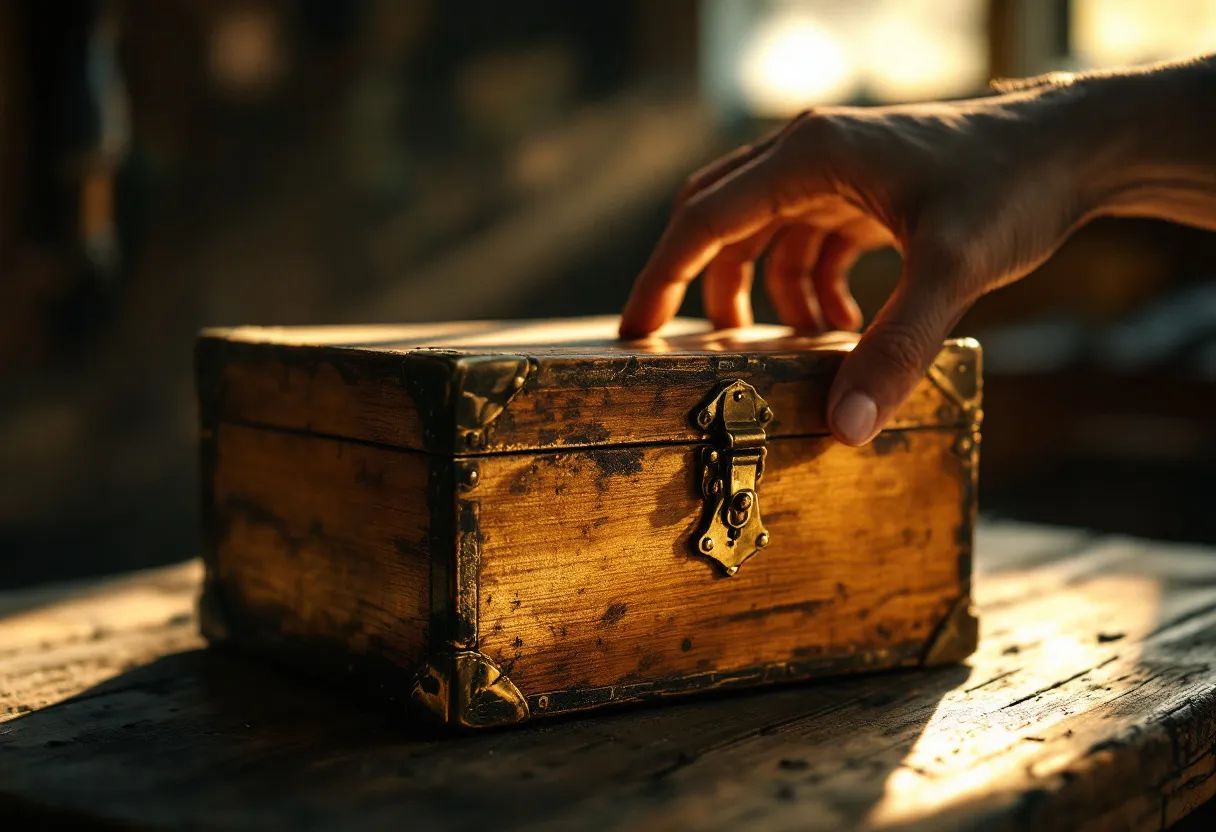
Every photographer, after enough years, is sitting on something remarkable: an archive that functions as a kind of autobiography. Not a deliberate one, not the arranged self-portrait or the careful diary, but an accidental record of attention. What you chose to photograph, and when, and how, and with what degree of care, adds up to a portrait of the person behind the camera that is often more revealing than anything consciously constructed.
The subjects that recur tell you something. The way distance or closeness shifts across different periods tells you something. Even the technical decisions, the apertures preferred, the moments judged worth stopping for, constitute a kind of handwriting, as individual and as telling as any journal entry.
What the Archive Remembers That You Do Not
Memory is selective and self-serving. Archives are less so. A photographer who returns to their work from ten or fifteen years ago often finds things they did not know they were recording, a recurring anxiety in the way they framed interiors, or a period of unusual tenderness in portraits made during what they remember as a neutral time. The archive is honest in the way that memory refuses to be.
This is both illuminating and occasionally unsettling. It is also one of the best arguments for keeping everything, or nearly everything, not the out-of-focus mistakes, but the apparently unremarkable frames that seemed to add nothing at the time. Context accumulates. What looked like a throwaway image in the moment can become, twenty years later, a window.
Making the Unconscious Intentional
Some photographers reach a point in their practice where they begin to work with their archive deliberately, not simply preserving it but excavating it, sequencing across decades, finding threads and ruptures and continuities that only become visible with distance. This is a different kind of photography: retrospective, reflective, essayistic in structure.
It asks a different set of questions than the ones we associate with making new work. Not what do I want to photograph next? but what have I been photographing all along? The answer, arrived at with honesty, is usually the most interesting project a photographer has ever undertaken.
More stories
The Photographer Who Stayed
On the particular kind of intimacy, and the particular kind of patience, that comes from photographing one place for a very long time.

The Best Budget-Friendly Personalized Supplement App: What $30/Month Actually Buys You